
Nintendo Virtual Boy 30th Anniversary: Putting Gamers on Red
We wouldn’t blame you if you don’t have a lot of familiarity with Nintendo’s Virtual Boy console. It was on the market for less than a year and sold less than 800k units worldwide so, due to its rarity and limited time on the shelves, it’s unlikely you came across one in person. The Virtual Boy is widely considered Nintendo’s biggest disappointment and (forgive the pun) a glaring red mark on the company’s history. But as Nintendo’s Virtual Boy turns 30, it’s important to look at the system as both triumph and tragedy, as its contributions to the history of 3D gaming, virtual reality, and hardware continue to have an impact to this day.
The Landscape of Gaming in the Nintendo Virtual Boy Era
Gaming was undergoing a wild era of creativity, transition, and self-discovery when the Virtual Boy was released on July 21, 1995, in Japan. The “Bit wars” were in full swing with the SNES dominating the market and Sega grasping for an advantage with add-ons like the SegaCD and 32X (a failure in its own right, but that’s for another article). On the high-end, competitors like the Philips CDi and Panasonic 3DO were trying to capitalize on the CD-ROM format and multimedia experiences that looked impressive at the time, but offered little in terms of memorable gameplay. Virtual reality was only available in high-end arcade-like settings, requiring massive hardware and offering extremely poor framerates and minimal interactivity. Shadowing it all in the distance, the PlayStation and Nintendo 64 were mere months away in North America. The writing was on the wall that 3D graphics were the future, and Nintendo needed something to fill the gap before their next big console release. Enter Gunpei Yokoi and the 32-bit Virtual Boy.
Gunpei Yokoi was a legendary engineer responsible for some of Nintendo’s greatest hardware hits, including the original Game Boy. His knack for adapting existing (and often older) technology into incredible gaming experiences started in 1980 with the release of Nintendo’s Game & Watch series, which used segmented LCD technology (think digital clocks or pocket calculators) to create handheld gaming devices. Around 1990, Yokoi and his team began experimenting with stereoscopic 3D using red LED displays, invented five years earlier by Reflection Technologies, which created the illusion of depth by displaying a slightly different image to each eye. Combined with a 32-bit processor and snappy red casing, the Virtual Boy was born.
What the Nintendo Virtual Boy Was Known For
The most positive thing one can say is that the Virtual Boy is known for being the very first system to offer a 3D display without the need for glasses. A few of the games were even good. However, the Virtual Boy is mostly known for its poor design choices. Arguably, the biggest failing point of the Virtual Boy is, ironically, its key selling point: the 3D display.
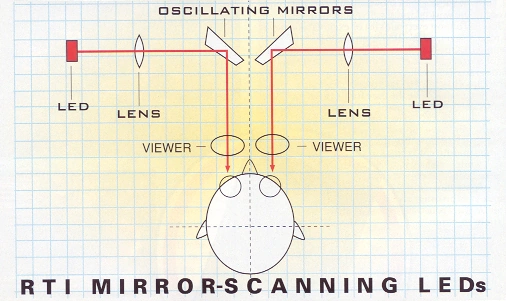
The Virtual Boy’s two displays used to create the 3D image are monochromatic, meaning they can only show one color. Red LEDs were both cheap and required less power to operate, so they were used to save on production costs and battery power. While the 3D effect was impressive at the time, the end result was an image that sears into your eyeballs, causing headaches and eye strain for a majority of players. Nintendo knew this would be a problem, as all Virtual Boy games have an option to automatically pause every 15 minutes to remind you to take a break.
The “virtual” aspect of the Virtual Boy wasn’t there either. The two displays are shown through a mirror that physically oscillates between the two images, meaning the system has to stay in one place. Instead of moving your head to explore a 3D space, as we think of virtual reality today, players would lean into the Virtual Boy, which sat on a table using its included stand. Coupled with these dreadful ergonomics, the Virtual Boy required six AA batteries to run. Why burn through more batteries hunched over a desk when you could chill on the couch with your trusty Game Boy?
What Games Were Available for the Nintendo Virtual Boy
If there’s one thing that separates Nintendo from the rest of the gaming industry, it’s their consistent delivery of memorable gameplay experiences. Unfortunately, that magic rarely appeared in the Virtual Boy library. Due to its short lifespan, only 22 unique titles were released for the system, with 14 of those coming to North America. You can hold the entire Virtual Boy library in one hand!
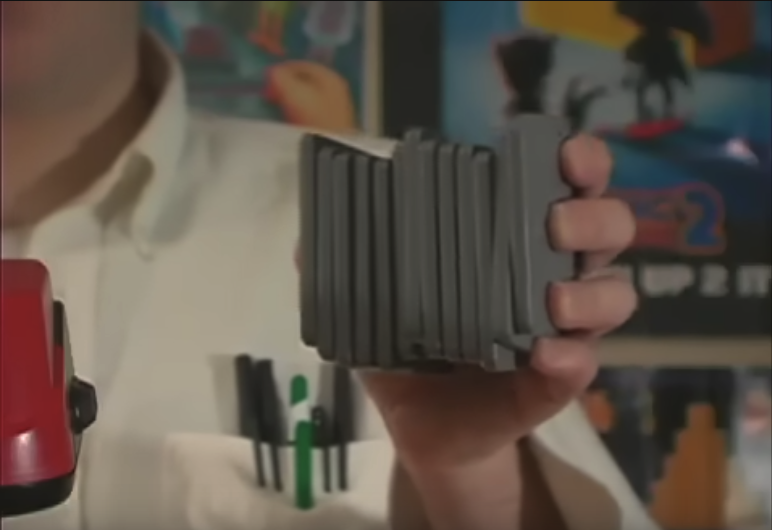
Here’s a quick rundown of the games available on the Virtual Boy:
3D Tetris
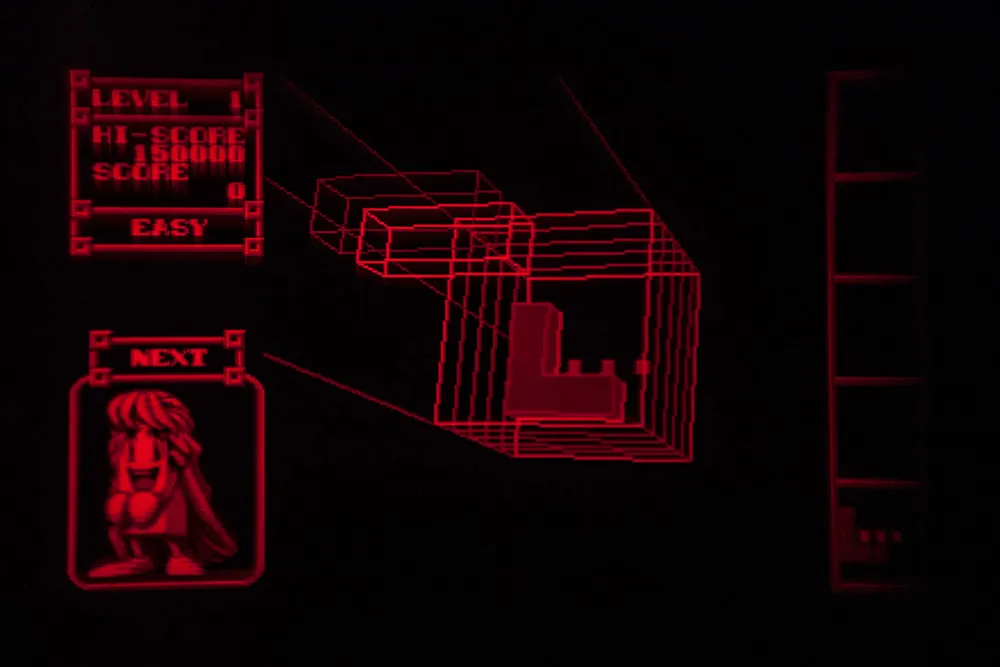
Everybody loves Tetris! In Nintendo’s 3D Tetris, the Tetrimino well is no longer locked to a 2D plane, requiring you to move the playfield in all three dimensions to fit pieces in place. It seems like a fun idea on paper, but the wireframe models on the Tetris pieces and low framerate make it both frustrating to control and difficult to judge where to place your blocks.
Galactic Pinball
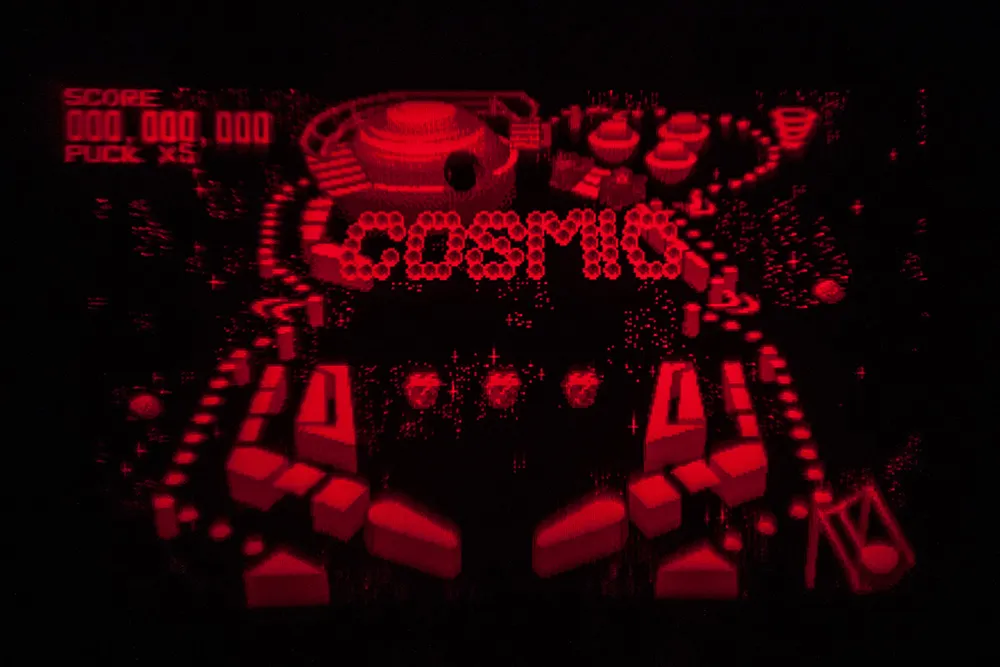
One of the launch titles for the Virtual Boy, Galactic Pinball, offered four tables to flip around with. Although the 3D effect wasn’t that impressive, this game did take advantage of the two rear buttons on the controller to control the flippers.
Golf
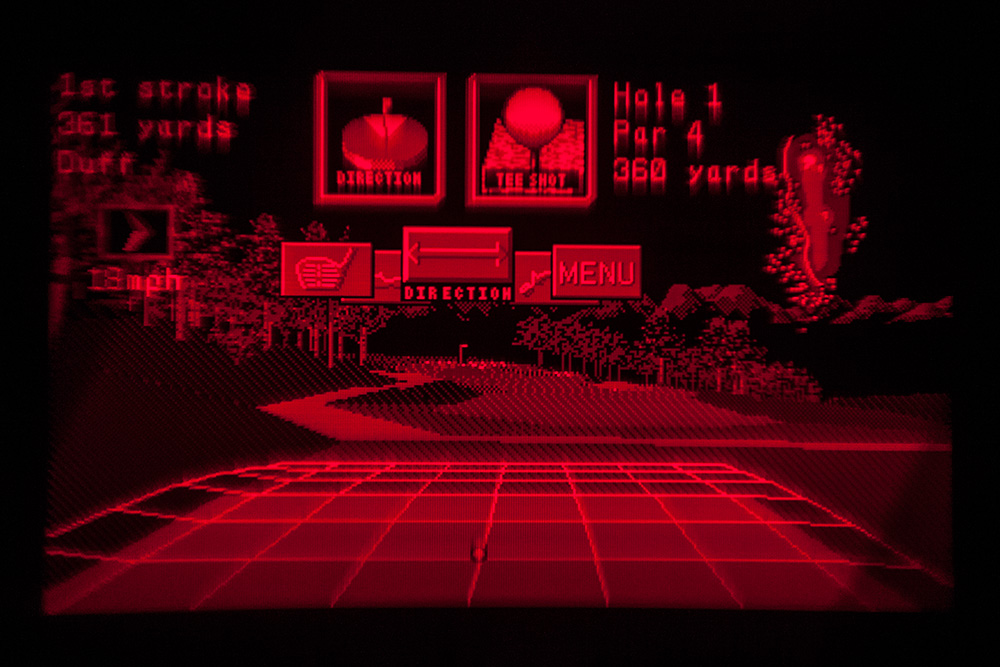
Golf is golf. It’s the only Virtual Boy game to use digitized human sprites for the characters. It’s also one of the most straining games to play, as the “green” is a massive field of red in the Virtual Boy world.
Jack Bros.
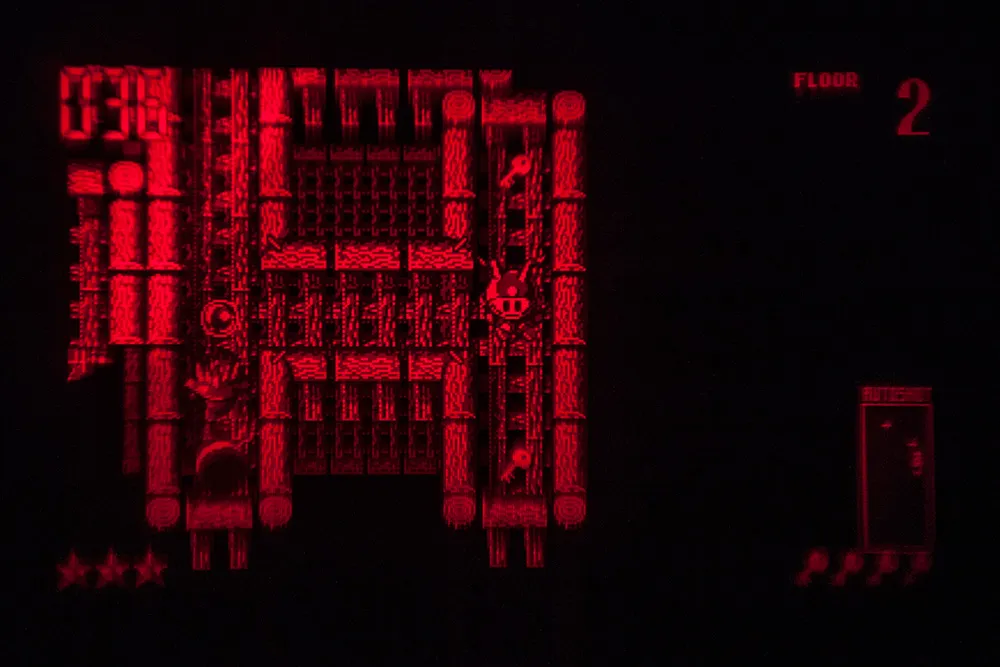
Wait, a Shin Megami Tensei game on Virtual Boy? Jack Bros. is a maze game featuring some of the little mascot demon characters from the RPG series. It didn’t make a ton of use of the 3D effect, but it did become one of the rarer (and expensive) games in the Virtual Boy library.
Mario Clash
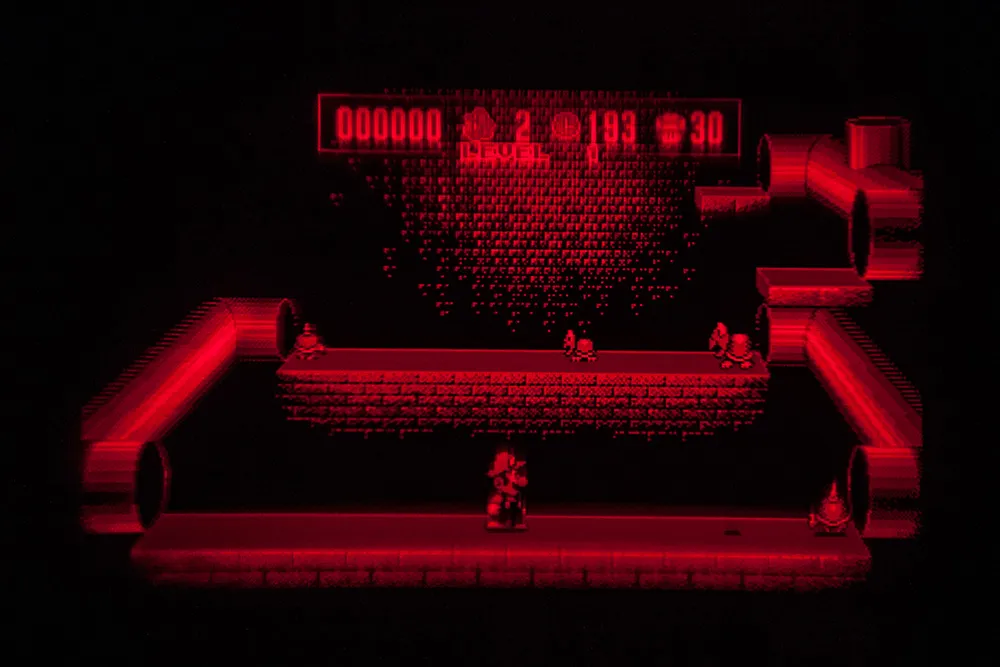
The Virtual Boy never received a traditional Super Mario game. Instead, it went back to the series’ roots. Based on the original Mario Bros., players use the pipes to move between the background/foreground to defeat the enemies in each room. There are 99 rooms to conquer and no save function, so prepare to wreck your eyeballs if you ever want to beat this game.
Mario’s Tennis

The pack-in game with the Virtual Boy in North America, Mario’s Tennis, is notable for being the very first “Mario sports” title in Nintendo history. Although the game is pretty barebones in terms of features, the 3D effect works great, and it’s fun for a quick game or two. It could’ve benefited from multiplayer, but sadly, the Virtual Boy link cable was never released.
Nester’s Funky Bowling
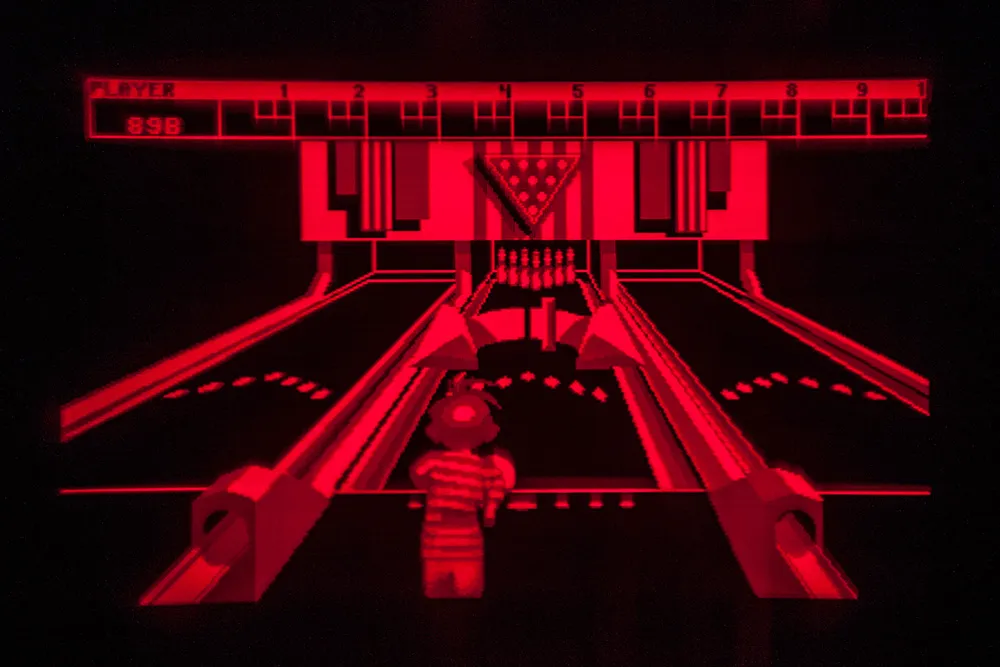
Nintendo Power’s unofficial mascot in his very own video game! It doesn’t control very well and the 3D effect is negligible, but hey, it’s Nester! Ask your gamer dad.
Panic Bomber
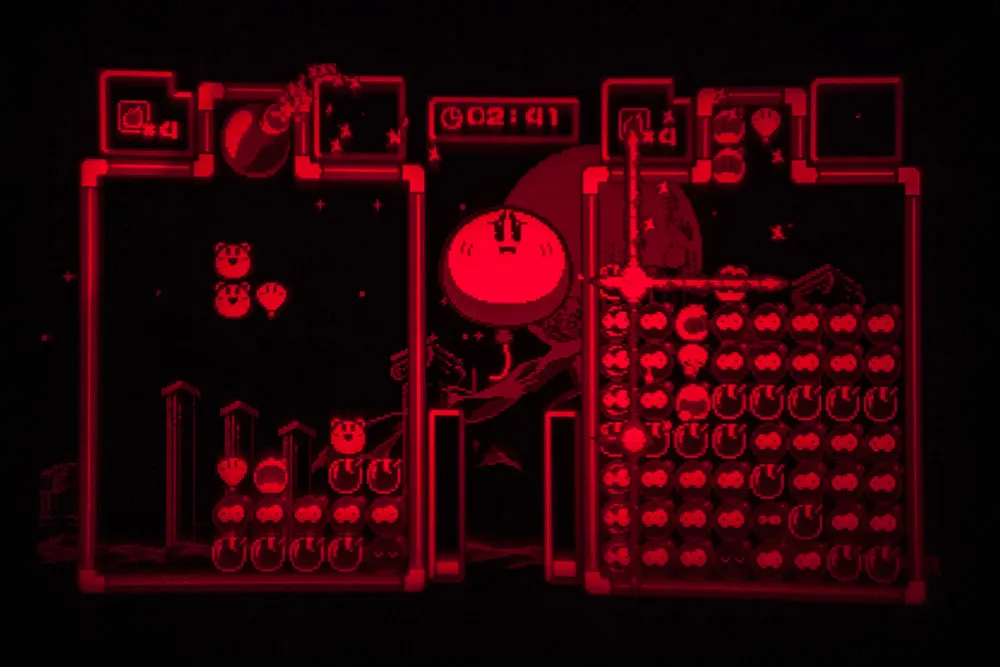
A Bomberman-themed puzzle game on the Virtual Boy. Although it was a fun game, Panic Bomber barely used the 3D effect and, like Mario Tennis, lacked multiplayer.
Red Alarm
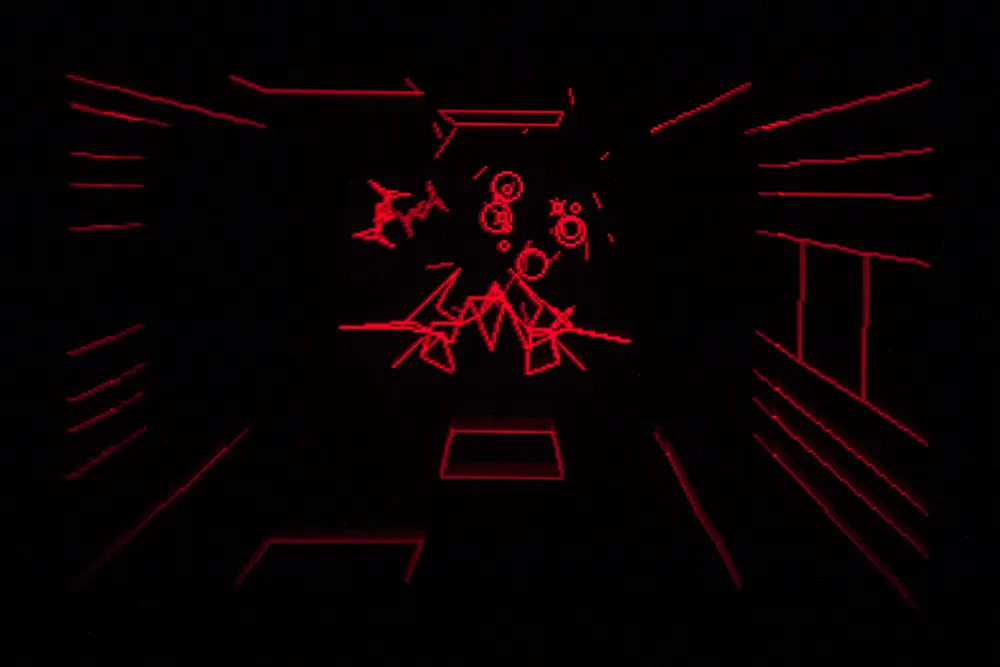
Imagine StarFox, but everything from your character to the environment is a see-through wireframe. Although this is the only Virtual Boy game to let you fully move through a 3D space, the lack of definition in the graphics makes it really hard to navigate.
Teleroboxer
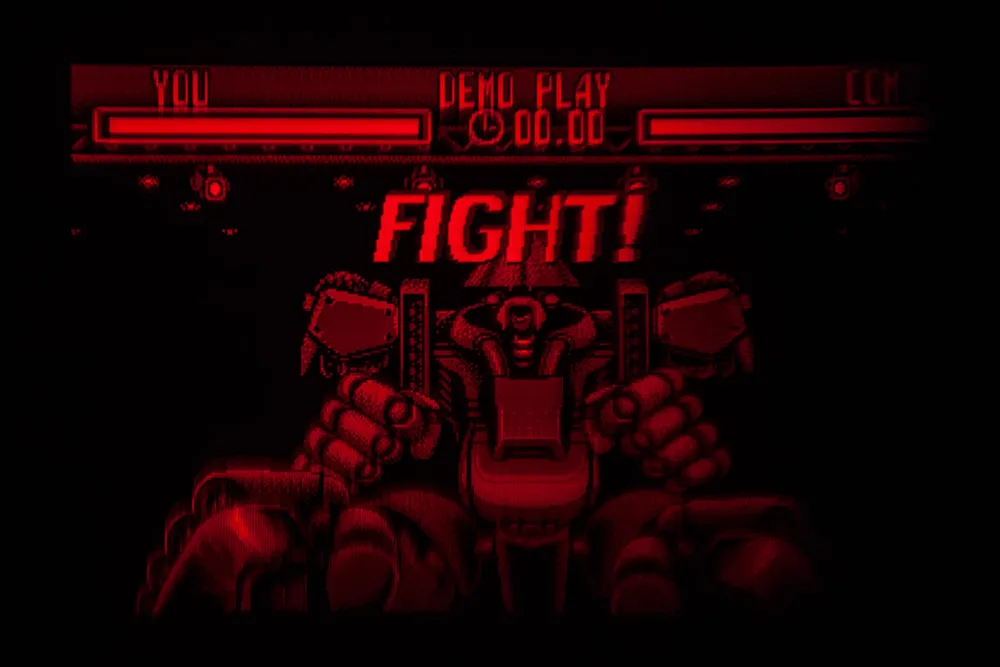
If you love the original Punch-Out! on the NES, then Teleroboxer is the game to play on the Virtual Boy. You face off in first-person against a series of giant mecha opponents to become the robot boxing champion. Teleroboxer utilized the Virtual Boy’s strengths to great effect, but the game also possessed a Souls-like difficulty.
Vertical Force
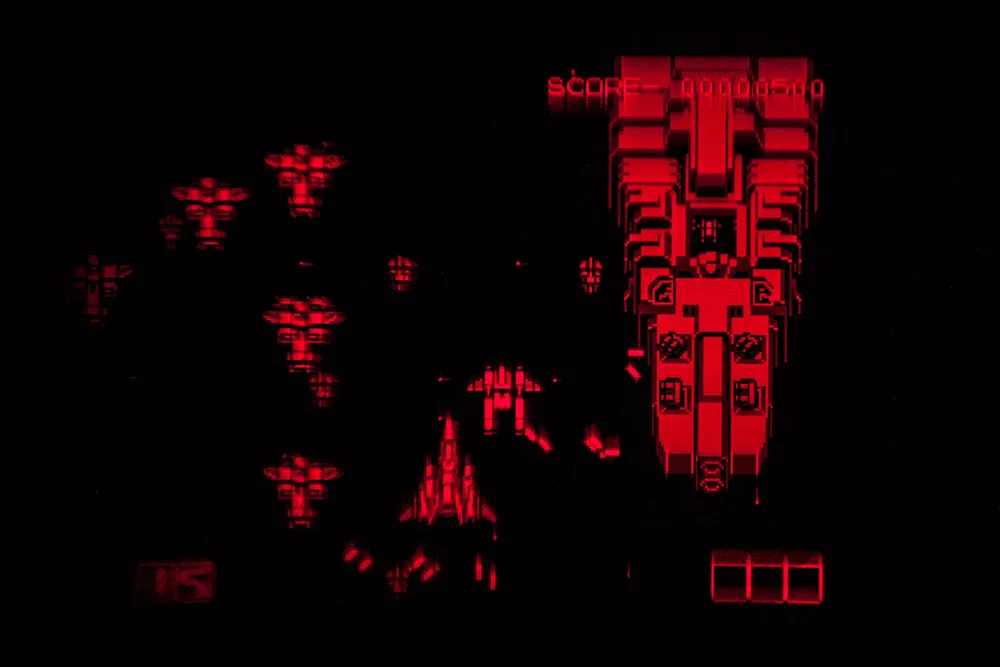
Vertical Force is a traditional vertically scrolling shooter like Raiden or Aero Fighters. Its main gimmick is that you can fly on two depths of the screen, which doesn’t really need stereoscopic 3D to execute.
Virtual Boy Wario Land
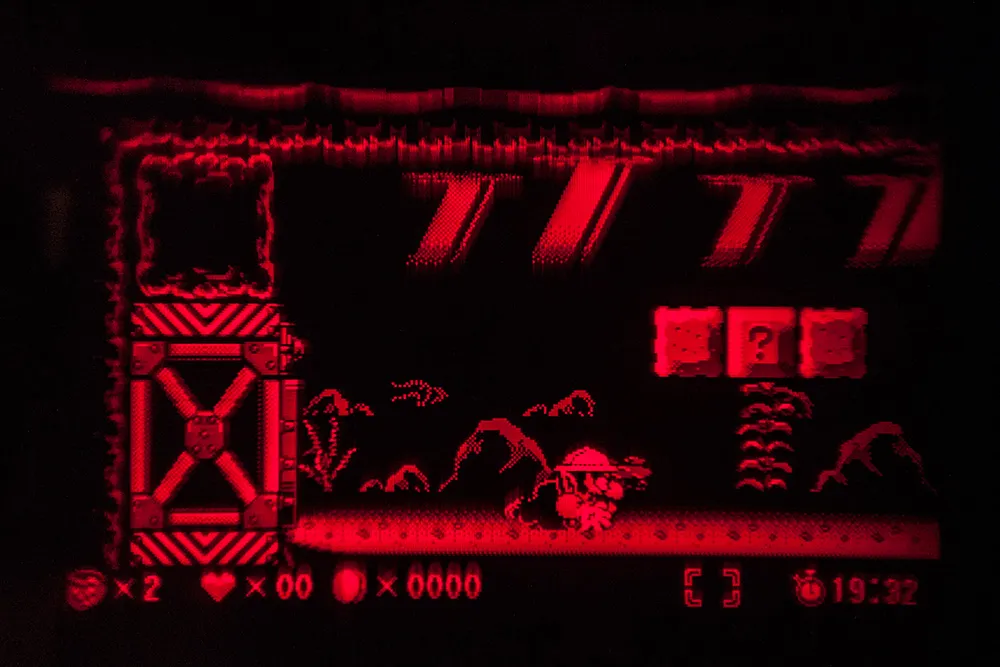
Aside from Teleroboxer, Wario Land is the other must-play title from the Virtual Boy library. Even if its usage of the 3D effect is limited to foreground/background action, this is at its core a 100% tried and true Wario platforming game.
Virtual League Baseball
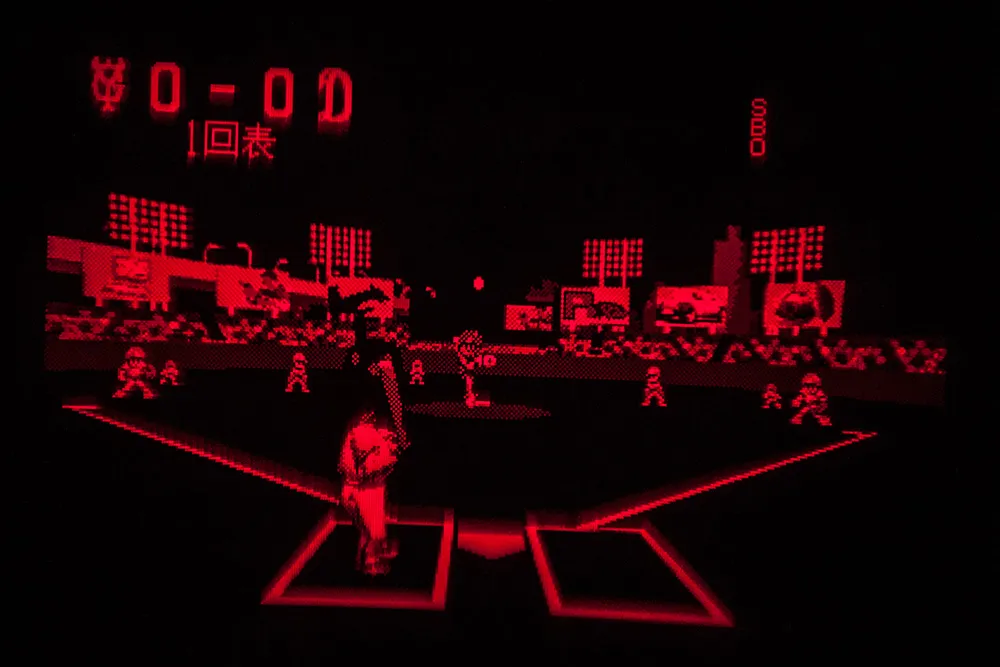
Like Golf, Virtual League Baseball assaults a player’s eyeballs with a field of red. It uses the same perspective and mechanics as other baseball games of the era, making it a mostly forgettable entry in the Virtual Boy library.
Waterworld
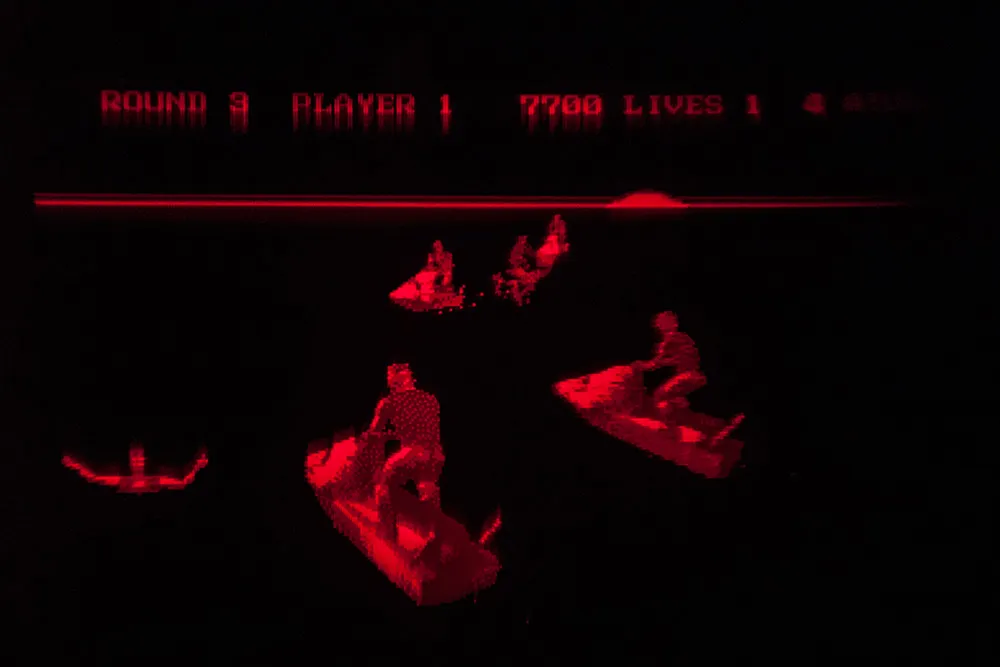
Yes, you read that right: Waterworld. As in the notorious flop of a Kevin Costner movie. It’s almost a bit too on the nose of cosmic fate for the only licensed game on the Virtual Boy to be another famous failure, but here it is. More surprising is that this game is quite rare, commanding hundreds of dollars on the collector’s market.
What Happened to the Nintendo Virtual Boy?
Nintendo went hard on the promotion of the Virtual Boy, reportedly spending over $25 million on promotion. Like the challenge VR faces today, customers need to experience the system in action to truly get what it’s all about. Store demo kiosks and a rental promotion with Blockbuster Video helped get eyes on (or rather into) the Virtual Boy, but would also be the console’s downfall since people could experience its shortcomings firsthand. Sales were abysmal: Nintendo projected hardware sales of 1.5 million, but only roughly 770,000 units were sold over the console’s lifetime.
Nintendo pulled the Virtual Boy from the market less than a year after its debut. Gunpei Yokoi, responsible for so many of Nintendo’s successes in the 80s and early 90s, left Nintendo. Reflection Technologies, creators of the tech running the Virtual Boy, shut down less than a year later. The Virtual Boy went into deep clearance at stores nationwide; in fact one Off Base staffer recalls picking one up for $40 at Toys R Us just two years after its debut. A sharp decline from its original $179.99 price at launch!
Nintendo 3D Virtual Boy’s Legacy
Although the Virtual Boy is often considered one of the worst consoles of all time, it was ahead of its time in many respects, and its missteps paved the way for future innovations. Within Nintendo, one can draw a straight line from the Virtual Boy to the Nintendo 3DS. That early attempt at a glassless 3D display showed that people initially enjoyed the novelty, but the technology wasn’t ready. The full color 3D display of the 3DS wowed players, and the entire DS library is one of the greatest in Nintendo’s history.
When 3D games were first made, they needed red/blue glasses to see properly. While the Virtual Boy is practically a cave painting compared to modern virtual reality, it showed what not to do with the technology. Players wouldn’t adopt to any kind of headset gaming until they had freedom of movement, high framerates, and least shockingly, a multicolor display. Nintendo would dabble a bit in VR with Nintendo LABO on the Switch, but thankfully haven’t thrown their hat back into this particular ring.
The Virtual Boy has also become something of a cult classic among the retro gaming community, who are committed to keeping the platform alive. There is a dedicated community of folks making homebrew games for the system, including ports of Street Fighter II and Battlezone. The modding community stepped up to help fix faults with the hardware itself, including kits to fix the eye displays that are prone to failure as the 30-year-old glue falls apart. There are even projects to “consolize” the Virtual Boy, allowing you to play the games on a regular 2D display.
How are you planning to celebrate the Virtual Boy 30th Anniversary?


Let’s Co-Op on Something Epic
We’re all about creative combos and game-changing strategies. Drop us a line, and let’s craft your next victory together.